What is a Bulk Water Meter and How Does It Work?
A Bulk Water Meter is an essential device used to measure large volumes of water flow. Its application ranges from municipal water supply systems to industrial usage. This device accurately tracks water consumption, ensuring efficient management of resources. Understanding how a Bulk Water Meter operates is vital for businesses and municipalities alike.
These meters work based on various technologies, including mechanical and electronic methods. The choice of technology impacts the meter's precision and maintenance needs. Users benefit from knowing the meter’s specifics, like its calibration and installation requirements. Having a reliable Bulk Water Meter promotes accountability in water usage.
Despite their importance, some organizations overlook routine maintenance, which can lead to inaccuracies. It is crucial to reflect on the meter's performance regularly. Monitoring and interpreting the data can often reveal trends or irregularities. These insights help in managing water resources more effectively and reduce wastage.
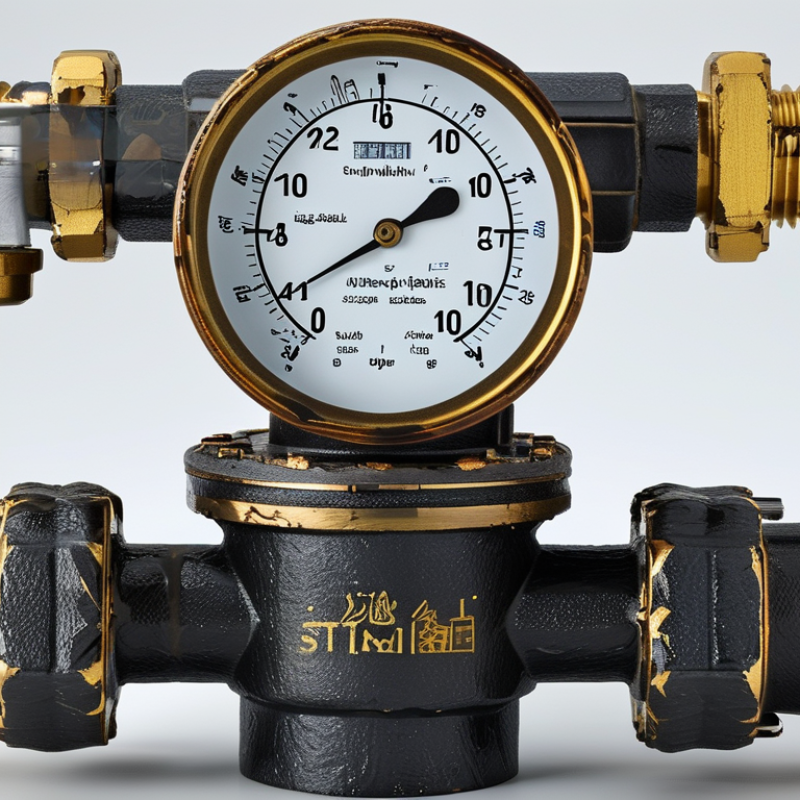
Definition of Bulk Water Meter and Its Applications
A bulk water meter is a device that measures large volumes of water. It is essential for various applications, including municipal water supply and industrial processes. A bulk water meter ensures accurate measurement and billing of water usage, providing valuable data for resource management.
These meters are typically installed in pipelines where high water flow rates occur. They operate based on different principles, such as mechanical or ultrasonic technology. Mechanical meters often use a rotating element to measure water flow, while ultrasonic meters rely on sound waves. Both types require regular maintenance to ensure accuracy.
In practice, bulk water meters face challenges. Factors like sediment buildup can affect performance. Proper installation is crucial to avoid errors. Knowing how these devices work helps users make informed decisions about water consumption. Balancing efficiency and sustainability in water usage remains an ongoing concern for many industries. Understanding the role of bulk water meters is vital for both water conservation and operational efficiency.
Working Principle of Bulk Water Meters Explained
Bulk water meters are essential tools for measuring large volumes of water use in various applications. These meters often utilize mechanical or electronic mechanisms to capture water flow accurately. The principle behind bulk water meters is straightforward. Water flows through the meter, turning internal components that generate readable measurements.
Mechanical bulk water meters typically include a turbine or a piston. As water passes through, it spins the turbine or moves the piston, creating a rotational or linear motion. This movement correlates directly to the volume of water passing through. Electronic meters use sensors and advanced algorithms to measure flow rates more precisely. They offer additional features, such as integration with smart systems for real-time monitoring.
However, these meters can be susceptible to errors, especially if not calibrated regularly. Environmental factors like temperature and pressure can affect accuracy. Over time, wear can diminish performance. It's crucial for users to periodically check their bulk water meters for accuracy and reliability. This ensures that water consumption is accurately measured, preventing billing disputes and optimizing resource management.
Monthly Water Consumption Analysis
Types of Bulk Water Meters and Their Features
Bulk water meters are essential tools for measuring large volumes of water. They cater to commercial and industrial usage, handling higher flow rates compared to standard meters. Different types of bulk water meters serve specific needs, each with unique features that enhance their performance.
Mechanical bulk water meters have various designs, such as positive displacement and turbine types. Positive displacement meters measure water by volume displacement. They are reliable, offering accuracy over a range of flow rates. On the other hand, turbine meters utilize a rotating turbine to measure flow. They excel in high-flow scenarios but can face challenges with low-flow accuracy.
Electromagnetic and ultrasonic bulk water meters provide modern solutions. Electromagnetic meters operate based on the principles of electromagnetic induction. They are perfect for dirty water but may require calibration. Ultrasonic meters use sound waves to measure the flow, providing non-intrusive readings. These types generally offer high accuracy but can struggle with air bubbles in the water. Each type has its strengths and weaknesses, which warrant careful assessment depending on specific user requirements.
Installation Process for Bulk Water Meters
The installation process for bulk water meters is critical for accurate measurement and billing. Proper setup ensures that data collected is reliable and reflective of actual water usage. Industry reports indicate that improper installations can lead to discrepancies in readings, potentially costing municipalities and consumers thousands annually.
Before starting, a thorough site assessment is essential. The meter location must allow for easy access, maintenance, and ensure minimal obstructions in water flow. According to data from the American Water Works Association, nearly 30% of residential meters are installed incorrectly, leading to reduced efficiency. Once the site is prepared, aligning the meter with the flow direction is key for accuracy.
After physically setting the meter, ensuring proper calibration is vital. This process often requires specialized tools and software to confirm that readings align with expected values. Research suggests that routine checks post-installation can uncover issues that arise over time. By focusing on these details, operators can minimize errors and maintain system integrity.
Poor installations or neglect in maintenance can compound problems considerably, leading to higher operational costs.
Maintenance and Calibration of Bulk Water Meters
Bulk water meters are essential for accurately measuring large volumes of water. To ensure their functionality, regular maintenance and calibration are necessary. Proper care extends the device's lifespan and ensures accurate readings.
Maintenance involves routine inspections. Check for leaks or blockages in the system. Clean the meter regularly to prevent dirt accumulation. It is crucial to replace worn parts promptly. Inadequate maintenance can lead to inaccurate measurements, impacting billing and resource management.
Calibration is equally vital. Meters should be calibrated at least once a year. This process aligns the meter’s accuracy with recognized standards. An improperly calibrated meter can result in significant discrepancies. Regular calibration helps maintain trust in water management systems. It's a reminder that even reliable tools require attention. Suitable training for personnel also plays a crucial role in maintaining efficiency.