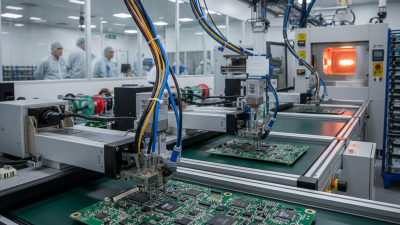
Who Is the Best PCB Prototype Manufacturer in China?

Choosing the best PCB prototype manufacturer in China requires more than comparing prices or promised delivery dates. A reliable partner must prove technical control at every stage, from Gerber review to final inspection. The right factory should understand your stack-up, controlled impedance, copper balance, and component constraints. It should also communicate clearly when your design creates manufacturing risks.

John Watson, a respected PCB design and manufacturing consultant, describes the purpose clearly: “A prototype is a process validation tool, not merely a small production run.” That principle matters when selecting a pcb prototype supplier. A capable manufacturer should review design-for-manufacturing details before fabrication begins. It should identify narrow traces, insufficient clearances, difficult vias, and unusual material requirements. These small checks can prevent expensive delays later.

Look for evidence, not polished claims. Ask about automated optical inspection, flying-probe testing, X-ray inspection, and first-article reporting. Request sample quality records when possible. Examine whether the supplier supports multilayer boards, HDI structures, flex circuits, or high-frequency materials. Confirm its ability to maintain traceability across materials and processes.

Price still matters. It is not everything.

An inexpensive quote may exclude engineering review, testing, or shipping protection. A fast turnaround may also increase production risk. I would not name one universal winner, because project priorities differ. A startup may value speed, while an aerospace team may prioritize documentation and repeatability. The strongest choice is the manufacturer that matches your technical needs, communicates limitations honestly, and delivers consistent results across prototype revisions. Mistakes can still happen. The difference lies in how quickly and transparently the supplier responds.
Who Is the Best PCB Prototype Manufacturer in China?

Defining What Makes a PCB Prototype Manufacturer the Best

Who Is the Best PCB Prototype Manufacturer in China?

Defining What Makes a PCB Prototype Manufacturer the Best

The best PCB prototype manufacturer is not always the cheapest or fastest. In practical development work, quality begins with clear engineering communication. A capable manufacturer reviews Gerber files, drill data, layer stackups, and controlled-impedance requirements before production. It should identify narrow traces, crowded vias, weak solder masks, or unclear tolerances. That feedback can prevent costly board revisions.

Manufacturing experience matters when materials and processes become demanding. A reliable partner explains whether FR-4, high-Tg laminate, or flexible material suits the design. It also provides measurable inspection data, including solderability checks, dimensional results, and electrical test records. Traceability is important. Each batch should connect to material certificates, process dates, and inspection results. A quick delivery means little if the prototype arrives with warped edges or inconsistent plating.

Tips: Ask for a sample inspection report, not only product photos. Confirm minimum trace width, hole tolerance, surface finish, and testing options. Request one technical contact who answers specific questions.

Communication often reveals more than a polished website. Good engineers explain risks in plain language and admit when a design needs improvement. No manufacturer gets every iteration right. That is worth remembering. The strongest partner documents problems, proposes practical corrections, and protects design intent without making unsupported promises. Pricing should be transparent, including tooling, testing, shipping, and possible rework. A dependable process makes the prototype useful for the next engineering decision.


Key Capabilities of Leading PCB Prototype Manufacturers in China

Who Is the Best PCB Prototype Manufacturer in China?

The best PCB prototype manufacturer is not defined by price alone. Strong engineering support matters from the first design review. Experienced teams check schematics, layouts, stack-ups, and component availability before production. They identify narrow traces, weak thermal paths, and misplaced vias early.

Fast prototyping requires flexible manufacturing capabilities. A capable facility should support multilayer boards, rigid-flex designs, HDI structures, controlled impedance, and fine-pitch components. It should also offer material guidance for high-frequency, thermal, or mechanically demanding applications. Small prototype batches are important. So are repeatable results.

Clear communication builds trust. Engineers should receive practical feedback, not vague promises. Production records, inspection images, and electrical test reports can make each decision easier to verify. Quality systems aligned with recognized industry standards also improve reliability. Yet no process is perfect. A rushed review may still miss an unusual connector or an assembly tolerance. That weakness should be discussed openly and corrected quickly.

Prototype assembly should include stencil printing, component placement, reflow control, and functional testing. Careful inspection can reveal solder bridges beneath small packages. Traceability is valuable when a component changes during development. Delivery speed matters, but predictable delivery matters more. The right manufacturer combines technical depth, honest communication, and disciplined quality control.

How to Evaluate Quality, Technology, and Production Speed

Who Is the Best PCB Prototype Manufacturer in China?

How to Evaluate Quality, Technology, and Production Speed

The best PCB prototype manufacturer is not simply the cheapest or fastest supplier. Quality begins with controlled materials, clear process records, and skilled engineering support. Ask for evidence. A reliable factory should provide material certificates, inspection reports, and traceability for each production lot. Check whether its engineers review Gerber files, stackups, and design-for-manufacturing risks before fabrication. Small details matter, such as clean solder masks, accurate holes, and consistent copper thickness.

Technology should match the board’s real demands. For dense designs, evaluate laser drilling, impedance control, microsection analysis, and automated optical inspection. For complex assemblies, ask about X-ray inspection and functional testing. A capable manufacturer can explain tolerances in practical language, not hide behind technical terms. I have found that clear answers often reveal more than impressive equipment lists. Still, equipment alone proves little without trained operators and calibrated instruments.

Production speed requires measurable promises. Request a sample schedule covering engineering review, fabrication, assembly, inspection, and shipping. Speed is conditional. A short lead time may depend on standard materials, simple layers, or immediate approval. One supplier once quoted an attractive schedule but ignored holiday capacity and component shortages. That mistake changed how I compare factories. Ask for recent delivery records, backup material channels, and a realistic response when problems appear. A slightly slower supplier with honest communication can protect a prototype project better than a fast but careless one.

Comparing Services, Certifications, Pricing, and Customer Support

Choosing the best PCB prototype manufacturer in China requires more than comparing the lowest quotation. Grand View Research valued the global PCB market at approximately $89.7 billion in 2023. It also projects steady growth through 2030. This expansion increases supplier choices, but quality differences remain significant. Look for rapid prototyping, design-for-manufacturing review, impedance control, and traceable material records. A reliable factory should provide inspection images, test reports, and clear engineering feedback before production.

Certifications help, but they are not complete proof. ISO 9001 supports documented quality processes, while UL recognition and IPC-A-600 or IPC-6012 compliance strengthen board evaluation. Automotive projects may require IATF 16949. Verify certificate numbers, scope, and expiration dates. Pricing should separate tooling, engineering changes, testing, shipping, and taxes. Mordor Intelligence estimates the PCB market will grow at over 5% annually during the forecast period. This pressure may encourage aggressive quotes. An unusually low price can hide weaker materials, limited testing, or slower support.

Tips: Request three identical quotations. Compare copper weight, laminate grade, tolerances, testing, and delivery terms. Ask whether one engineer will manage your project. Response quality matters when a plated hole fails at midnight. I have found that written escalation procedures are often overlooked. That is a mistake. A practical trial order should test communication, dimensional consistency, and corrective-action speed. No certificate replaces evidence from your own samples.

Who Is the Best PCB Prototype Manufacturer in China?

A neutral benchmark comparing the factors most commonly used to evaluate PCB prototype manufacturers: services, certifications, pricing, delivery speed, and customer support.

The scores are normalized benchmark values from 0 to 100 rather than company-specific results. A higher score indicates broader service coverage, stronger quality-system documentation, more competitive prototype pricing, faster turnaround, or more responsive technical support. Actual performance depends on board complexity, materials, quantity, and certification requirements.

Choosing the Right Chinese PCB Prototype Manufacturer for Your Project

Choosing the Right Chinese PCB Prototype Manufacturer for Your Project

Selecting a Chinese PCB prototype manufacturer requires more than comparing prices. In practical development work, communication speed often matters as much as fabrication quality. A capable supplier should explain stackup options, impedance control, surface finishes, and material availability clearly. Ask for sample inspection records, process certifications, and realistic production timelines. Vague answers can create expensive delays.

Review how the manufacturer handles design files and engineering questions. Can its team identify clearance problems before production? Does it check solder mask expansion, drill sizes, and copper balance? These details affect assembly yield and electrical performance. Request a small prototype batch first. Inspect hole walls, solder mask alignment, board thickness, and edge quality under proper lighting. Small details matter. No supplier is perfect, and even experienced teams can miss an unusual design feature. I have learned that honest correction is more valuable than confident promises.

Tips: Compare quotations by specification, not only price. Confirm whether testing, tooling, and shipping are included. Ask about engineering change procedures and response times. Keep revision numbers on every file. A reliable manufacturer should protect your project data, document changes, and provide traceable inspection results. If the sales team responds quickly but the technical team remains unclear, pause before ordering. Good prototypes should reduce uncertainty, not hide it.

Who Is the Best PCB Prototype Manufacturer in China? – Choosing the Right Chinese PCB Prototype Manufacturer for Your Project

Evaluation Dimension Recommended Prototype Benchmark Why It Matters Evidence to Request Suggested Weight
Prototype Turnaround Standard two-layer prototypes commonly targeted within approximately 3–7 working days after design approval. Shorter feedback cycles help engineers identify layout, assembly, and electrical issues earlier. Written lead-time commitment, order cut-off time, and examples of completed prototype schedules. 15%
Layer Capability Capability should match the design, from simple 2-layer boards to multilayer prototypes with controlled impedance when required. A suitable layer range prevents redesigns when the prototype evolves into a more complex product. Manufacturing capability statement, sample stack-ups, and design-for-manufacturing feedback. 12%
Material Selection Common choices include FR-4 for general electronics, high-Tg materials for elevated thermal demands, and specialized materials for high-frequency designs. The laminate affects thermal reliability, signal performance, mechanical strength, and product cost. Material datasheets, Tg and Dk/Df values where relevant, and traceability documentation. 10%
Quality Control At minimum, the process should include automated optical inspection, electrical testing, visual inspection, and documented acceptance criteria. Inspection and testing reduce open circuits, shorts, solder-mask defects, dimensional errors, and assembly failures. Inspection reports, test-method details, defect-handling procedure, and sample certificates. 18%
Manufacturing Standards The supplier should be able to manufacture according to applicable IPC requirements and provide a defined quality class or acceptance level. Recognized standards create consistent expectations for workmanship, inspection, and acceptance. Applicable IPC references, quality certificates, process-control records, and audit documentation. 12%
Design Review Support The manufacturer should review Gerber files, drill files, stack-up requirements, tolerances, and special instructions before production. Early engineering feedback can prevent avoidable production delays and repeated prototype orders. Sample DFM reports, review checklist, clarification workflow, and response-time commitment. 10%
Assembly Integration For assembled prototypes, the supplier should support component sourcing, SMT placement, through-hole assembly where needed, and functional inspection. A combined PCB and assembly workflow reduces logistics, communication steps, and interface risks. Assembly process description, component-substitution policy, BOM review, and first-article inspection records. 10%
Cost Transparency The quotation should clearly separate tooling, PCB fabrication, surface finish, testing, assembly, components, shipping, and applicable taxes or duties. A detailed quotation makes supplier comparisons more accurate than evaluating the board price alone. Itemized quotation, validity period, minimum order conditions, and change-order charges. 8%
Communication and Documentation The supplier should provide clear English-language communication, revision control, order status updates, and technical documentation. Accurate information exchange is essential when the design changes during prototyping or when teams work across time zones. Communication channel, escalation process, revision history, and sample production-status updates. 5%
Total Suggested Evaluation Weight 100%

Note: The benchmarks above are general industry evaluation guidelines. Actual capability, lead time, pricing, and quality requirements should be confirmed against the selected supplier’s current quotation, technical documentation, and production agreement.

Wordpress Social Share Plugin powered by Ultimatelysocial
Facebook
X (Twitter)
YouTube
LinkedIn
Share

Purchase Product Request

Request Pricing